1. The Tiny Gnat—A Miracle We Can Barely See

Consider a tiny gnat, perhaps only about one-sixteenth of an inch long. Something we might brush away without a second thought contains extraordinary complexity.
Designed for Flight
Within that tiny body are wings, muscles, nerves, eyes, sensory organs, and a digestive system. These systems coordinate movement, detect danger, process food, and keep the creature alive.
Life Produces Life
The gnat can reproduce another living creature bearing the same intricate design. Every necessary system must work together from the beginning.
Scientists and engineers continue studying insects to learn how such small creatures fly so efficiently. The God who designed that tiny creature also designed us.
2. The Sun—Power Beyond Imagination
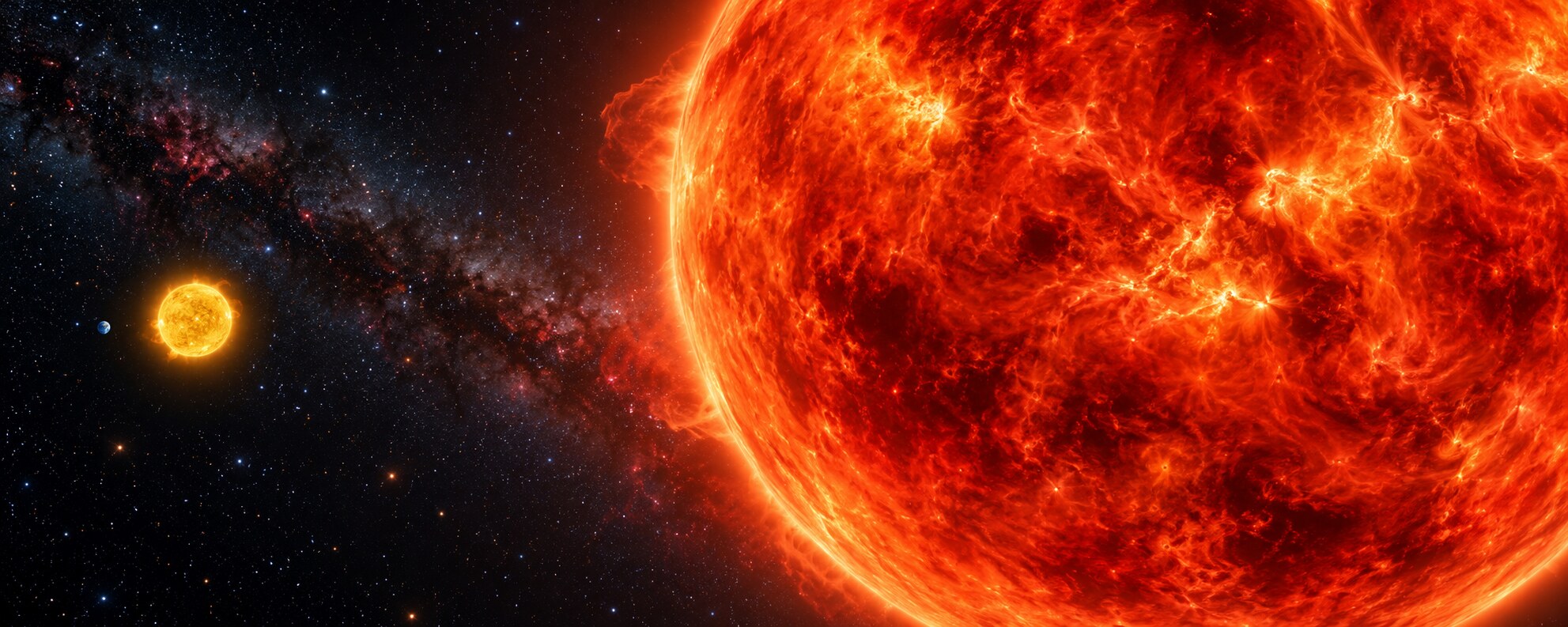
Every second, fusion in the Sun converts roughly four million metric tons of matter into radiant energy. Its total power output is about 3.8 × 1026 watts. That enormous furnace pours out energy day and night, year after year, while Earth receives only a tiny fraction of it.
Yet our Sun is not even among the largest stars.
3. The Solar System—A Masterpiece of Order
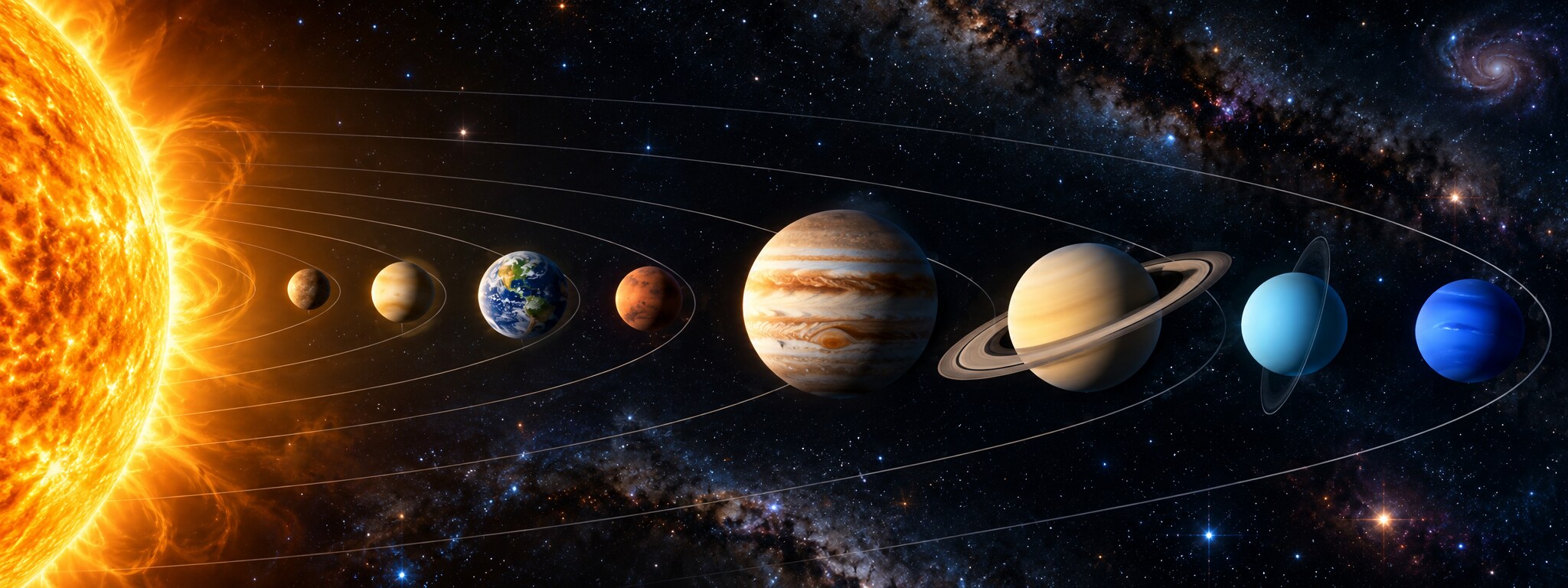
Our solar system contains eight planets, each traveling around the Sun in its own orbit under the same physical laws of gravity and motion.
Earth has been traveling around the Sun at approximately 67,000 miles per hour, year after year, without our feeling that tremendous speed. The planets need no engines, steering wheels, or fuel. Their motions follow the orderly physical laws God established in creation.
Even more astonishing, the entire solar system travels around the center of the Milky Way at roughly half a million miles per hour, taking about 230 million years to complete one journey.
Yet here we are, living on a planet where conditions permit life and experiencing the dependable rhythm of days, nights, seasons, seedtime, and harvest.
If God has the wisdom and power to create and sustain the vast universe, should we not trust Him with the circumstances of our lives?
4. Stars That Make Our Sun Look Tiny
Betelgeuse is a red supergiant in the constellation Orion. NASA has estimated its radius at approximately 724 times the radius of our Sun. If it replaced the Sun at the center of our solar system, it would engulf the orbits of Mercury, Venus, Earth, and Mars.
Our Sun is large enough to hold approximately 1.3 million Earths, yet Betelgeuse dwarfs it. What appears enormous to us can be remarkably small when compared with more of God’s creation.
5. The Universe—Beyond Human Comprehension
Light travels about 186,000 miles every second—fast enough to circle Earth more than seven times in one second. Yet even at that speed, it would take roughly 100,000 years to cross our galaxy.
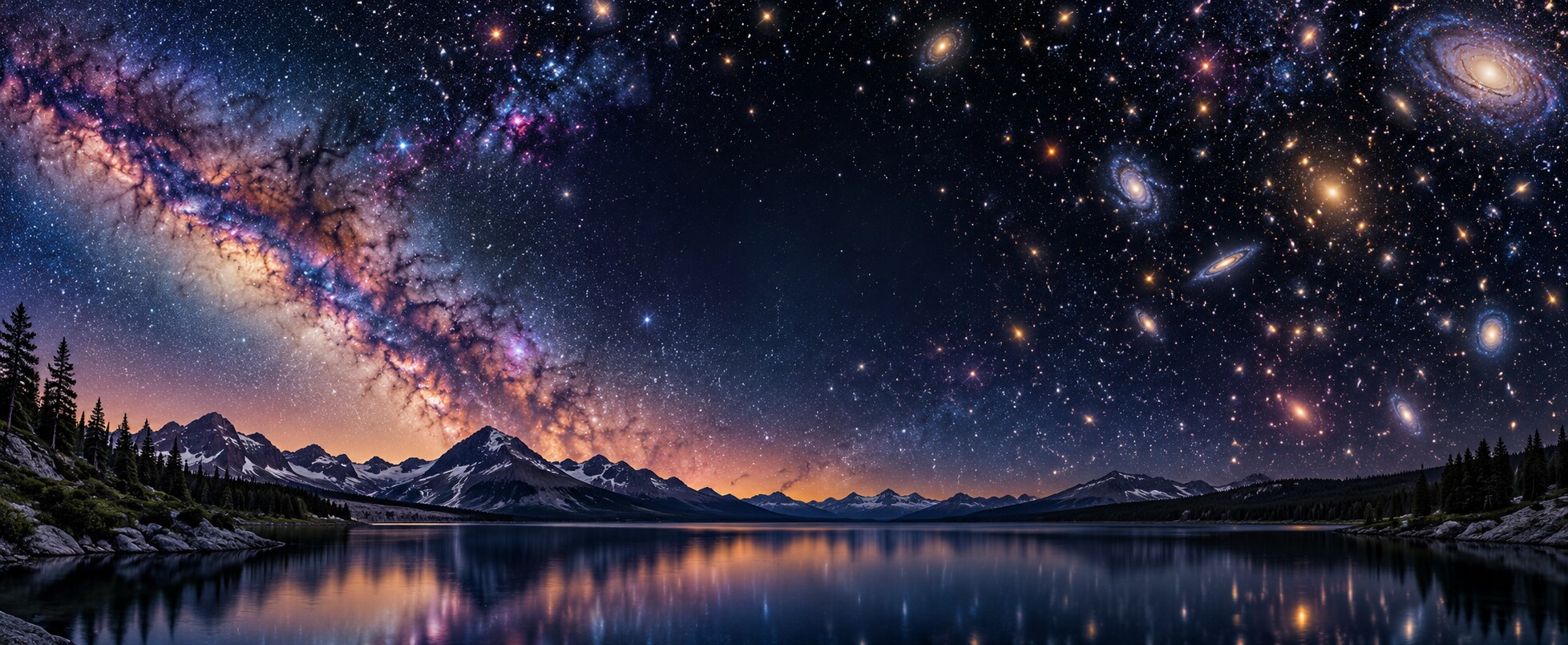
Our Milky Way is only one among an immense number of galaxies. The observable universe may span about 93 billion light-years, and the entire universe may be much larger than the portion we can observe.
We struggle to comprehend how many stars exist. Yet Scripture says that God brings them out by number and calls them all by name.
6. The Human Body—A Masterpiece of Creation
Your Heart
It beats about 100,000 times each day, continually pumping blood through your body without your conscious direction.
Your Brain
It contains roughly 86 billion neurons forming an extraordinarily complex network for thought, memory, movement, and communication.
Your DNA
The DNA in one typical human cell would measure about six feet if stretched out, yet it is carefully packaged within a microscopic nucleus.
Your God-Given Abilities
Your body can heal wounds, fight infection, recognize faces, remember loved ones, and experience the beauty of music.
7. God’s Wonderful Provision Through Food

God could have created only a few foods to sustain human life. Instead, He gave us an astonishing variety—thousands of kinds with different colors, shapes, sizes, textures, flavors, fragrances, and nutritional benefits.
From the sweetness of a strawberry to the tartness of a lemon, and from a tiny blueberry to an enormous watermelon, God has spread before us a magnificent display of His creativity and care.
He did not make food merely nutritious. He made it beautiful, fragrant, colorful, and delicious.
God did not simply provide enough for us to survive. He created an extraordinary abundance for us to enjoy. This variety reminds us that our God is not only all-powerful and infinitely wise, but also wonderfully generous and good.
8. The Most Astonishing Comparison of All
The God who created the universe is not an impersonal force. He knows us.
David was overwhelmed by the greatness of the heavens, but what amazed him most was that the God who created them would care about mankind.
The God who calls the stars by name also knows your name. He understands your burdens, hears your prayers, and knows what tomorrow holds.
9. The Greatest Demonstration of God’s Greatness
There is something even more wonderful than God’s power displayed in creation: His love demonstrated at Calvary.
God’s greatness is not measured merely by what He can create. It is also revealed in His perfect holiness, mercy, grace, and love. The Creator of the universe sent His Son to become our Savior.
The hands that fashioned the stars were willing to be pierced for our salvation.
Our God Is Infinitely Greater
We have traveled from a tiny gnat, so small we can barely see it, to a Sun large enough to hold 1.3 million Earths. We discovered that our Sun is only one star among hundreds of billions in our galaxy, and that our galaxy is only one among an immense number of galaxies.
Yet perhaps the most astonishing truth is not how large the universe is, but that the God who created it all knows each one of us personally.
He knows where we are. He knows what troubles us. He knows what tomorrow holds.
If He is powerful enough to create and sustain the universe, is anything in our lives too difficult for Him?
Our problems may be great,
but our God is infinitely greater.
Scientific figures are rounded estimates. Reference material: NASA Sun Facts, NASA Solar System Facts, NASA Planetary Years, NASA Betelgeuse estimate, and NASA educational astronomy resources.